Skip to content
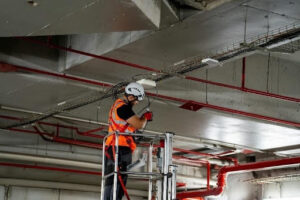
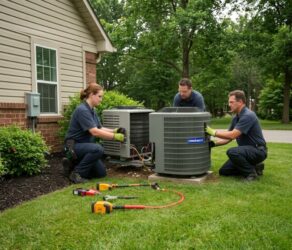
Is your furnace running but your home still feels cold? Before assuming you need heating system repair, a few basic checks can help identify common heating problems. Proper HVAC troubleshooting starts with simple causes such as thermostat settings, restricted airflow, or a dirty filter before moving toward mechanical or electrical concerns.
This guide explains how to troubleshoot common heating issues safely, which maintenance tasks homeowners can handle, and when it makes sense to call a professional.
How can I troubleshoot common heating issues in my home?
Start with the simplest possibilities first: check the thermostat, confirm the heating system has power, inspect the air filter, and make sure supply and return vents are unobstructed. If these checks do not resolve the problem, professional diagnosis may be necessary.
1.Check the thermostat
A thermostat that is set incorrectly can make a properly functioning furnace appear faulty.
Check that:
- The thermostat is set to Heat.
- The temperature setting is higher than the current room temperature.
- Programmable schedules have not changed unexpectedly.
- Batteries are replaced if the thermostat requires them.
2. Inspect the air filter
A dirty filter is one of the easiest heating problems to overlook. Restricted airflow can make the system work harder and may contribute to poor comfort.
The U.S. Department of Energy’s Building Science Education resources explain that clogged filters can reduce airflow and increase furnace runtime, motor wear, and energy consumption.
Check the filter according to the manufacturer’s instructions. Replace a disposable filter with the correct size and type rather than simply choosing the most restrictive filter available.
What other heating problems should homeowners check?
Some heating complaints have simple airflow or control-related causes, while others require testing equipment and technical knowledge.
Uneven heating
If one room is cold while others are comfortable, check whether its supply register is blocked by furniture, rugs, or curtains. Also make sure return-air grilles are unobstructed.
Persistent temperature differences can point to ductwork problems, inadequate airflow, insulation issues, zoning concerns, or equipment performance problems.
Furnace turns on and off repeatedly
Short cycling can have several causes, including restricted airflow, thermostat problems, incorrect system sizing, or a malfunctioning component. Do not repeatedly reset the system without determining why it is cycling.
If the behavior continues after checking basic airflow and thermostat settings, schedule professional HVAC repair in Lenexa rather than attempting electrical or combustion-related repairs yourself.
Furnace produces unusual noises
Different sounds can provide useful clues. A loose panel may create rattling, while unusual grinding, squealing, banging, or persistent humming can indicate a mechanical or electrical issue.
Avoid opening internal components simply to investigate a strange noise. Turn the system off if there is a burning smell, smoke, or another obvious safety concern, and seek qualified assistance.
Which heating maintenance tasks can you do yourself?
Homeowners can safely handle several routine tasks without opening the furnace cabinet or interfering with gas, electrical, or combustion components.
| Estimate Detail | Why It Matters |
|---|---|
| Areas being painted | Clarifies the project scope |
| Surface preparation | Shows whether repairs and preparation are included |
| Paint and materials | Helps compare product quality |
| Number of coats | Sets application expectations |
| Labor | Identifies the main project cost |
| Timeline | Establishes a realistic schedule |
| Cleanup | Explains what happens after painting |
| Additional work | Clarifies how unexpected issues are handled |
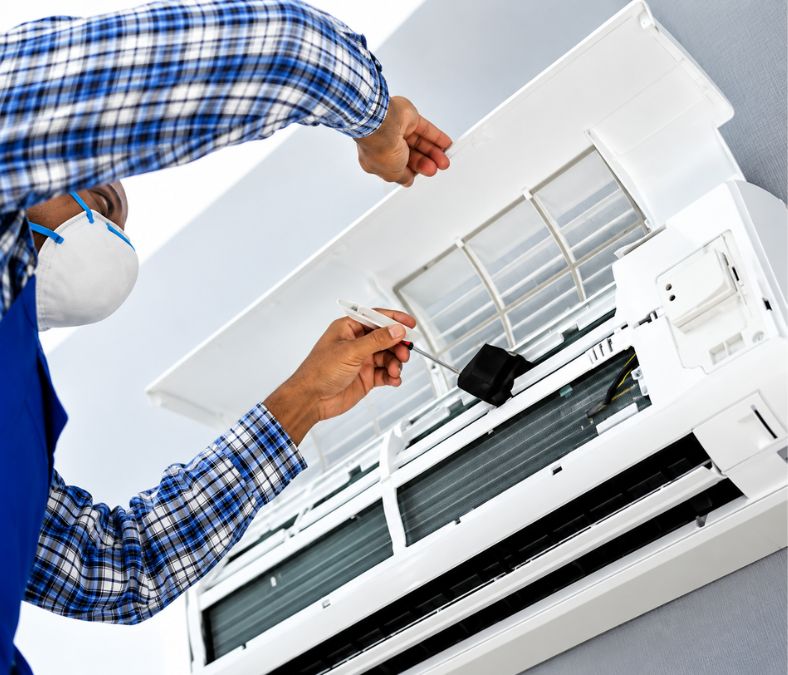
Routine professional maintenance goes beyond changing a filter. Depending on the equipment, technicians may inspect airflow, electrical components, combustion-related components, controls, and other operating conditions.
When should you call an HVAC professional?
Professional service is appropriate when basic checks do not solve the issue or when the problem involves electrical, gas, combustion, refrigerant, or internal mechanical components.
Warning signs include:
- Repeated system shutdowns
- A persistent burning or gas odor
- Unusual mechanical noises
- Water around the equipment
- A furnace that cannot maintain the set temperature
- Electrical breakers that repeatedly trip
- Suspected carbon monoxide or combustion problems
Never attempt to diagnose a suspected gas leak by opening or modifying furnace components. Leave the area and follow appropriate emergency procedures if you smell gas or suspect a dangerous condition.
How does regular maintenance prevent heating problems?
Maintenance works best when it is proactive rather than performed only after a breakdown. Replacing filters, keeping airflow paths clear, checking thermostat operation, and arranging periodic professional inspections can help identify developing issues.
For broader HVAC maintenance considerations, you can also read How Proper Office HVAC Maintenance Can Improve Employee Productivity And Reduce Energy Costs for additional perspective on preventive HVAC care.
Keep your heating system ready for winter
Good home heating maintenance begins with small, consistent checks. Homeowners can handle filters, thermostat settings, and clear vents, while qualified technicians should address internal components and safety-sensitive problems.
When troubleshooting no longer solves the issue, Cates Heating and Cooling provides residential HVAC service throughout the Kansas City area, including Lenexa. Professional diagnosis can help determine whether the appropriate solution is maintenance, heating system repair, or further evaluation.
Need help with a heating problem? Schedule service with Cates Heating and Cooling for professional HVAC diagnosis and repair.
Key Takeaways
- Start HVAC troubleshooting with the thermostat, system power, air filter, and unobstructed vents.
- Uneven heating, repeated cycling, unusual noises, and poor temperature control can indicate issues requiring professional attention.
- Homeowners can handle basic maintenance, while electrical, gas, combustion, and internal mechanical work should be handled by qualified technicians.
- Regular maintenance and timely diagnosis can help keep heating equipment operating reliably.
Frequently Asked Questions:
What is the first thing I should check if my furnace stops heating?
Check the thermostat setting, confirm the system has power, and inspect the air filter. If those checks do not resolve the problem, professional diagnosis may be needed.
How often should I check my furnace filter?
Check the filter regularly during periods of heavy use and follow the equipment manufacturer’s replacement recommendations. A filter that becomes visibly dirty or restricts airflow may need attention sooner.
Why is my furnace running but not heating my home?
Possible causes include restricted airflow, thermostat problems, ignition or combustion issues, ductwork concerns, or equipment malfunction. Basic checks can help narrow down the cause, but persistent problems require professional diagnosis.