Skip to content
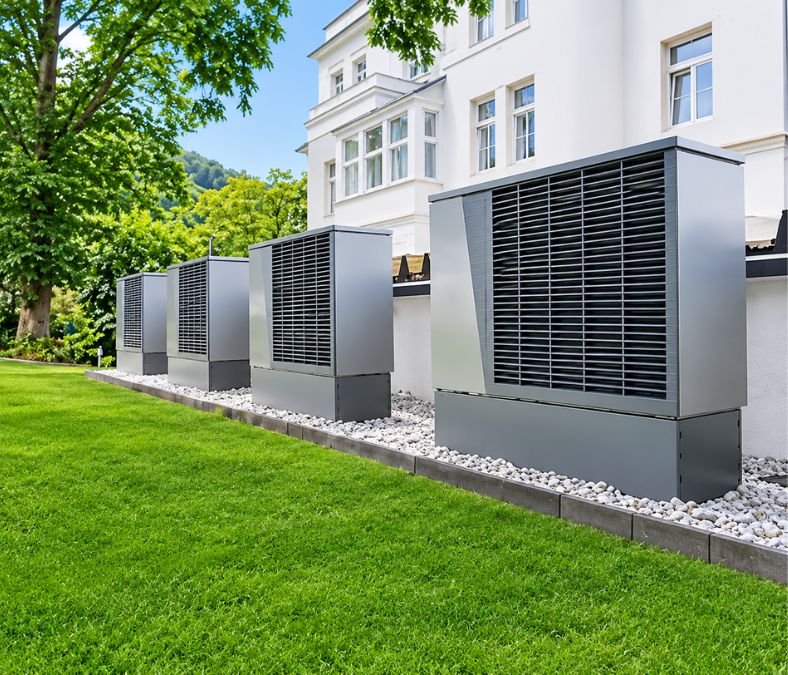
A commercial HVAC problem can affect more than indoor comfort. Uneven temperatures, rising energy bills, and unexpected equipment failures can disrupt employees, customers, and daily operations. When considering commercial HVAC installation in Lenexa, businesses need a contractor who understands building requirements, operating schedules, and long-term equipment performance. Knowing what to ask before signing a contract can help you avoid costly surprises and choose a system that supports your facility’s needs.
What Should I Look for When Choosing a Commercial HVAC Contractor?
Look for a contractor with relevant commercial experience, appropriate licensing and insurance, a detailed project proposal, and a clear plan for installation and ongoing support. The right choice should be based on your building’s requirements, not simply the lowest quote.
1. Check Experience With Your Type of Building
A restaurant, warehouse, medical office, and multi-unit office building can have very different heating, cooling, and ventilation demands. Equipment that works well in one setting may not suit another.
Ask potential contractors about projects involving buildings similar to yours. Find out whether they understand your operating hours, occupancy patterns, ventilation needs, and equipment loads.
For example, a business that operates late into the evening may need different scheduling and zoning arrangements from an office that closes at five. A warehouse may require careful consideration of high ceilings, loading doors, and uneven temperature distribution.
Ask for specific examples of comparable projects, including the challenges involved and how the contractor addressed them.
2. Make Sure They Assess the Building Before Recommending Equipment
A dependable contractor should evaluate the building before recommending a replacement or new system. Square footage alone is not enough to determine the correct equipment capacity.
The assessment may include insulation, windows, occupancy, ventilation requirements, heat-generating equipment, existing ductwork, and the condition of current systems.
Oversized equipment can cycle on and off too frequently, while undersized equipment may struggle during periods of high demand. Both can affect comfort and operating costs.
Ask whether the contractor will perform an appropriate load calculation and explain why the proposed system suits your building. You should receive a reasoned recommendation rather than a quick equipment quote.
3. Compare Proposals Beyond the Final Price
Two estimates can look similar while covering very different work. One may include controls, duct modifications, testing, and cleanup, while another may exclude these items.
Use a comparison table to identify gaps before making a decision.
| What to Compare | Questions to Ask |
|---|---|
| Equipment | What models, capacities, and efficiency ratings are proposed? |
| Installation | Are ductwork, controls, electrical work, and removal included? |
| Scheduling | How long will installation take, and what areas may be affected? |
| Warranty | What is covered, and what conditions apply? |
| Final testing | Will the system be tested and its operation documented? |
4. Ask About Energy Efficiency and Building Controls
Modern HVAC performance depends on more than the equipment itself. Thermostat programming, zoning, ventilation, and operating schedules can influence how effectively a system serves a building.
Ask commercial HVAC services whether the proposed system supports your facility’s actual usage patterns. For example, separate zones may help manage different temperature requirements in offices, meeting rooms, and shared spaces.
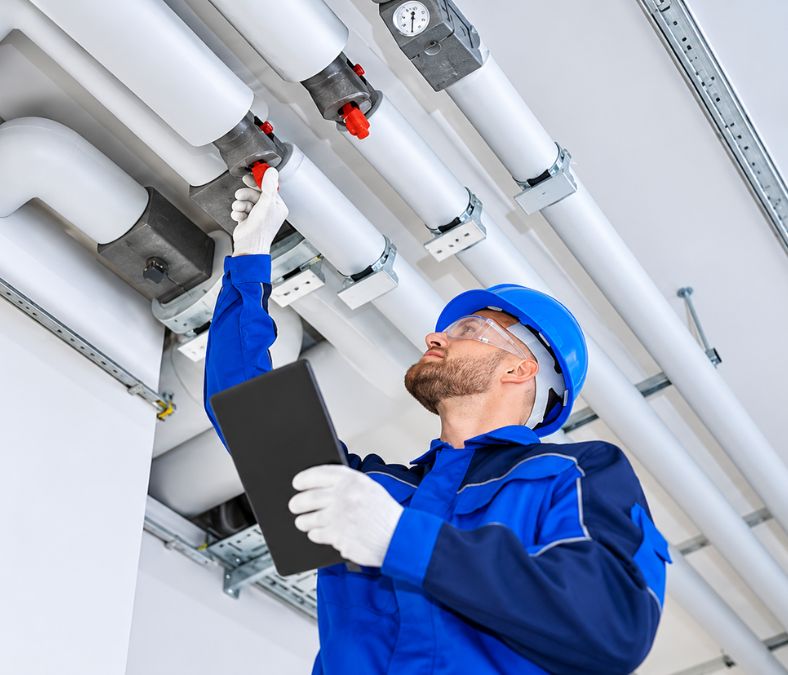
Also ask how the contractor will configure and test the controls after installation. The U.S. Environmental Protection Agency’s ENERGY STAR guidance for commercial building operations and maintenance highlights the importance of equipment tuning, appropriate schedules, and ongoing performance checks. These practices can help businesses manage energy use and reduce avoidable operating problems.
5. Confirm Maintenance and Emergency Support
Installation is only one part of an HVAC system’s working life. Filters, coils, drains, electrical connections, and controls need attention according to equipment requirements and operating conditions.
Ask what preventive maintenance includes, how often visits are recommended, and whether service records will be provided. Clarify emergency response arrangements, particularly if a breakdown could interrupt production, affect temperature-sensitive inventory, or force a business to close.
6. Plan Installation Around Business Operations
Commercial installation can involve noise, restricted access, temporary shutdowns, and coordination with other trades. Before work begins, discuss how the project will affect staff, customers, deliveries, and building access.
Ask for a proposed timeline, a named project contact, and a communication plan for delays or unexpected site conditions. If the work can be phased, determine whether certain areas can remain operational while others are completed.
Finding a Commercial HVAC Partner in Lenexa
Cates Heating and Cooling offers commercial HVAC services for businesses evaluating their heating and cooling needs. When discussing your project, share your building type, operating schedule, comfort concerns, and any recurring equipment problems. Ask the team to explain its recommendations, installation scope, scheduling, and maintenance options so you can assess whether the proposed solution fits your facility.
Before committing, compare the written proposal with your operational priorities and confirm the applicable licensing, insurance, warranties, and project requirements. A clear conversation at the start can make the decision easier and help establish realistic expectations for the work.
Key Takeaways
- Choose a contractor with experience in commercial buildings, clear proposals, and knowledge of your facility’s HVAC requirements.
- Compare system sizing, installation standards, warranties, and ongoing maintenance rather than price alone.
- Ask how the contractor will minimize business disruption and verify system performance after installation.
Frequently Asked Questions:
How do I know if my commercial HVAC system needs replacement?
Frequent breakdowns, inconsistent temperatures, increasing repair costs, and declining performance may indicate that replacement is worth evaluating. A professional assessment can help compare repair and replacement options.
How long does commercial HVAC installation take?
The timeline depends on equipment size, building layout, ductwork changes, electrical requirements, and site access. Request a project-specific schedule before work begins.
Should a commercial HVAC contractor offer maintenance plans?
A maintenance plan can help organize inspections and routine servicing. Review the included tasks, visit frequency, exclusions, and emergency service terms before choosing one.
Is the cheapest commercial HVAC quote the best option?
Not necessarily. Compare equipment specifications, installation scope, testing, warranties, and ongoing support to understand the overall value of each proposal.